AtishMKV · Marathi films in English · comedies, family dramas, classics and web series · press Watch now on any title page
AtishMKV: Marathi films in English, from Ashi Hi Banwa Banwi, Shwaas and Naal 2 to Jhimma, Baap Manus, Godavari and the classics of V. Shantaram, and where to watch them
Notes · 341 Marathi films and web series from 1952 to 2026: comedies, family dramas, love stories, children's films, biopics, village tales and the golden classics.
New Marathi films and web series are added to the shelves below; open My List to keep the ones you want to watch.
AtishMKV: Marathi films in English, from Ashi Hi Banwa Banwi, Shwaas and Naal 2 to Jhimma, Baap Manus, Godavari and the classics of V. Shantaram
Marathi cinema is one of the oldest film traditions in India. The country's first feature film was made by a Marathi pioneer in 1913, the great studios of Kolhapur and Pune shaped Indian cinema in its early decades, and Marathi filmmakers have produced comedies, family dramas, musicals and thoughtful social films ever since. Today, Marathi cinema is enjoying a new golden age, with fresh voices, bold stories and audiences in Maharashtra and far beyond. AtishMKV is an English guide to that world: 341 Marathi films and web series, made between 1952 and 2026, 333 films and 8 series, each with its own page, its story in English, its year, its running time, and a Watch now button that leads to the official services carrying it in your country.
The catalogue has been chosen by hand. It gathers comedies old and new, family dramas, love stories, films about children and school, biopics of artists and reformers, village tales from the farms and the Konkan coast, and the golden classics of the 1950s, 1960s and 1980s. Crime, violence, horror and adult titles belong to other guides, so every film here is one that a family can enjoy together.
The sections below are a relaxed tour of Marathi cinema: how the site is laid out, the comedies, the family films, the classics, the children's films, the biopics, the love stories, the village tales, the link with Marathi theatre, the web series and a few suggestions for a first week. Each section links to a short help page, and the How to watch page sums up the simple steps from a title page to the official service.
How AtishMKV looks
AtishMKV keeps the busy, cheerful look of the site it is named after, a site that called itself the number one Marathi movies site. The page sits in a box in the middle of a light grey background. At the top is a near-black header with the logo, the word ATISH in bold crimson letters with a thin white outline, MKV in white beside it and a white strip underneath, and a long dark search field on the right. Below it runs a crimson menu bar with white links, Home, Marathi Movie, Comedy, Family, Classics, Webseries and the A to Z list, and below that a dark strip with a pale green notice that scrolls gently across the screen. On a phone, the menu folds into a three-line button.
The home page opens with a short note, as the original site did, with a heading, a line about the catalogue and three red buttons for the most popular shelves. Then come the home modules, one after another: the newest films, comedies, family dramas, children and school, love stories, biopics, the classics and the web series. Each module has a charcoal title bar with rounded corners and a View all link on the right, and below it a tight grid of posters, eight across on a large screen. Every poster carries a small green badge in its top right corner, a dark rating chip with a star in its top left corner and the title and year in white letters over a dark fade at the bottom of the image, exactly as on the original site.
A Browse module lists every shelf and help page, this guide sits in a white box below it, and a near-black footer closes the page. The colours, from the grey background and the crimson menu to the green badges, and the Source Sans typeface are drawn from a careful study of the original site's style sheet. The posters, stories and credits are new, and every part of the page works with a keyboard, a screen reader and a small phone screen.
Comedies
Comedy is the heart of popular Marathi cinema, and the Comedy shelf holds 105 films, the largest genre shelf on the site. The Marathi comedy help page offers a quick tour.
Ashi Hi Banwa Banwi, from 1988, is perhaps the most loved Marathi comedy of all. Two brothers and two friends, short of money and in need of a room, persuade their landlady that they are married couples, which means that two of them must dress up as wives. The film's chaos, songs and quick dialogue made it a classic, and its stars, Ashok Saraf, Laxmikant Berde and Sachin Pilgaonkar, became a beloved comic team. Gammat Jammat, from 1987, is another favourite of the same era, a comedy about a kidnapping plan that goes hilariously wrong. The Ashok Saraf and friends help page has more.
The new comedies are just as lively. Jhimma, from 2021, follows a group of women of different ages on a tour of England, and its warm humour and friendship made it a huge hit; Jhimma 2 brings the group together again. De Dhakka 2 takes a funny, eccentric family to London, Punha Ekda Sade Made 3 follows three brothers with a strict rule against marriage, and Lochya Zaala Re is a fast comedy about a man living in London who finds himself in a muddle. Gulkand and Cup Bashi are recent family comedies full of charm.
Village comedies have a special place. Aapdi Thaapdi follows a stingy farmer whose family leaves him because of his silly ways, Birkhit follows a kind man whose principles keep getting him into trouble, and Poshter Girl is a riot about a village where young women are very few and there is a great deal of excitement when one arrives. Agadbam, Haapus, Sanai Choughade and Master Eke Master add more laughs from small towns and villages, and Pandu follows two small-time comedians who find themselves in the middle of a big adventure.
Dada Kondke and the comedy years
Long before the multiplex, Marathi comedy filled single-screen theatres across Maharashtra, and two generations of stars made it famous. In the 1970s, Dada Kondke, an actor, writer and producer with a gift for playing the innocent villager, became a phenomenon; several of his films ran in theatres for twenty-five weeks or more. Pandu Hawaldar, from 1975, in which he plays an honest police constable in Bombay, and Ram Ram Gangaram, from 1977, about a simple man who inherits a fortune and moves to the city, show his style at its best: broad, warm and close to the life of ordinary people.
These films were made quickly and cheaply, but their timing, their wordplay and the chemistry of their stars have kept them alive. For many Marathi families, watching an Ashok Saraf comedy together is a tradition handed from parents to children, and the dialogues are quoted like proverbs.
Family films
Marathi cinema has a gift for gentle, honest family stories, and the Family dramas shelf holds 146 of them. The Family films help page picks out a few.
Shwaas, from 2004, is one of the most important Marathi films of its century. It follows an elderly grandfather from a Konkan village who takes his young grandson to the city for treatment of a serious illness of the eye, and it is told with such tenderness that it won the National Film Award for Best Feature Film and was chosen as India's entry for the Academy Awards. Its success is often credited with reviving Marathi cinema after a difficult period.
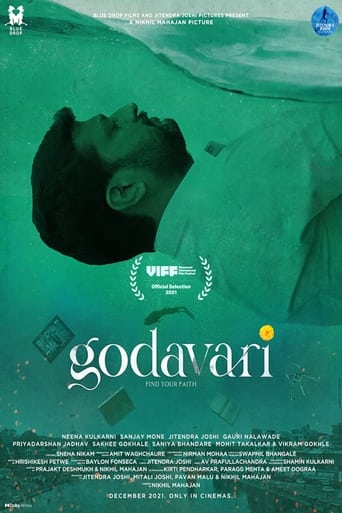
Fathers and children are a favourite subject. Baap Manus, from 2023, follows a widower raising his young daughter on his own, Ringan follows a farmer and his small son on a journey to Pandharpur, and Zindagi Virat celebrates the bond between a father and his family. Naal 2 continues the story of young Chaitanya from the much-loved village film Naal, as he comes to terms with his real family, and Godavari follows a man in Nashik, on the banks of the river Godavari, as he reconnects with his roots and his family.
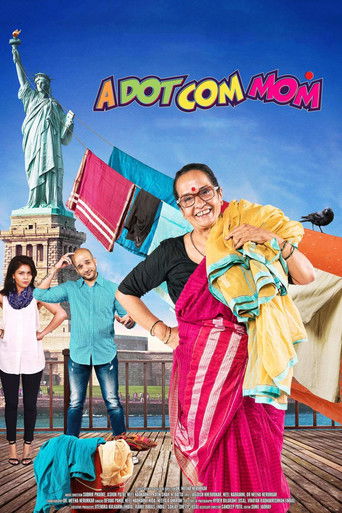
Mothers and grandmothers have their own films. A Dot Com Mom follows a woman from a small town who learns to use computers to stay close to her daughter abroad, and Yashoda - Goshta Shyamchya Aaichi tells the story of the mother of Sane Guruji, the writer and freedom fighter, whose memories of her inspired one of the most famous books in the Marathi language. MyLek follows a young single mother and her daughter, and Uttarayan is a tender story about a widower who finds love again late in life.
The classics
The Classics shelf gathers the Marathi films of the 1950s to the 1980s, and the The classics help page offers a short tour.
Amar Bhoopali, from 1952, directed by V. Shantaram, tells the story of Honaji Bala, the poet and musician who made the lavani song form popular in eighteenth-century Pune, and its music and beautiful images made it one of the great Indian films of its time. Drumsticks, Dhakti Jaoo and Prapancha, from the 1950s and 1960s, are warm family stories about widowers, brothers and village potters, full of the simple values of their era.
The 1970s and 1980s brought bolder films. Silence! The Court Is in Session, from 1971, and Ghashiram Kotwal, from 1976, bring two celebrated plays by Vijay Tendulkar to the screen, and Sinhasan, from 1979, is a sharp political satire. Umbartha, from 1982, directed by Jabbar Patel and starring Smita Patil, follows a woman who leaves a comfortable home to run a shelter for women, and it remains one of the most admired Marathi films. Alongside these serious films, the 1980s were the decade of the great comedies, from Gammat Jammat to Ashi Hi Banwa Banwi, and of family favourites such as Baiko Asavi Ashi and Anything For Love.
Children and school
Marathi cinema makes some of the best films about childhood in India, and the Children and school shelf holds 67 titles. The Children and school help page offers a selection.
Elizabeth Ekadashi, from 2014, is set in the pilgrim town of Pandharpur, where a clever boy and his sister try to save their beloved bicycle, named Elizabeth, from being sold; it is funny, touching and full of the life of the town. Pak Pak Pakaak, from 2005, follows a mischievous village boy who makes friends with a mysterious old man in the forest, and it is one of the most loved Marathi children's films. Kulfi is a short film about a small boy who longs for an ice-cream, and Naal 2 follows young Chaitanya as he gets to know his brother and sister.
School stories are a Marathi speciality. Dahavi Fa, from 2002, follows a class of tenth-grade pupils who feel written off by their school and learn to turn their energy into something positive, with the help of a patient teacher. Krantijyoti Vidyalay Marathi Madhyam follows pupils and teachers who come together to save their Marathi-medium school, and Habaddi follows a village school's kabaddi team as it travels to Mumbai for a tournament. Boyz 2 and Timepass 2 are lively stories of college and teenage life, and the web series Lampan brings to the screen the gentle childhood stories of the writer Prakash Narayan Sant.
Biopics and history
Maharashtra has a rich history of artists, reformers, saints and heroes, and Marathi cinema loves to tell their stories. The Biopics and history shelf holds 41 titles, and the Biopics and history help page picks out the highlights.
The lives of performers make wonderful films. Ani... Dr. Kashinath Ghanekar tells the story of the first superstar of the Marathi stage, a dentist who became an idol of theatre audiences in the 1960s. Me Vasantrao follows the great classical singer Vasantrao Deshpande, played by his own grandson, the singer Rahul Deshpande. Ekk Albela tells the story of Bhagwan Dada, the actor and director whose dance style charmed the Hindi cinema of the 1950s, and Once There Was A Clown is a moving film about a brilliant circus clown.
Dr. Prakash Baba Amte: The Real Hero follows the doctor who, with his wife Mandakini, has spent his life serving the tribal communities of Gadchiroli and caring for orphaned wild animals. Abhanga Tukaram tells the story of the seventeenth-century poet-saint Tukaram and his devotional songs, Smruti Chitre is based on the memoirs of the writer Lakshmibai Tilak, and Phullwanti is a colourful period story about a celebrated dancer at the court of the Peshwas. Ravrambha is a historical adventure about a brave soldier of the Maratha era.
Love stories
The Love stories shelf holds 39 romances, and the Love stories help page offers a few suggestions.
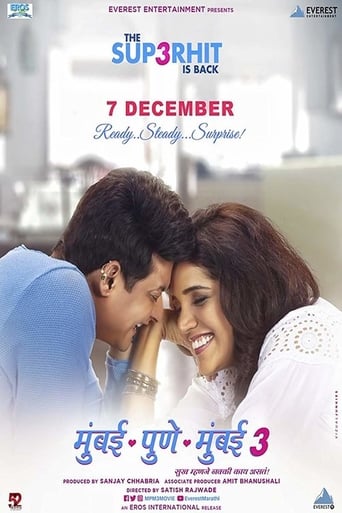
Mumbai Pune Mumbai 3 is the third part of a much-loved series about Gautam and Gauri, a couple from two rival cities whose banter made the first film a hit; here, they prepare to become parents. Timepass 2 continues a popular story of first love, Girlfriend follows a shy young man who feels pressure to find a partner, and Medium Spicy follows a young chef in Mumbai who is unsure about love and life. Get Together is set at a school reunion where old feelings return, Aarpar follows a couple whose perfect romance meets an unexpected obstacle, and Chandramukhi, based on the novel by Vishwas Patil, is a musical love story set in the 1980s. Phulrani retells George Bernard Shaw's Pygmalion with a flower seller from a Mumbai fishing village.
Village tales
Most of Maharashtra lives in villages and small towns, and Marathi cinema has always told their stories with affection and honesty. The Village tales shelf holds 57 titles, and the Village tales help page offers a tour.
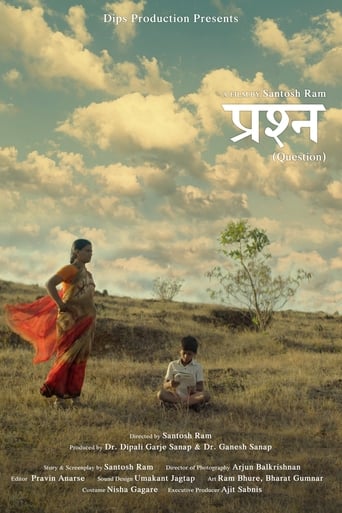
Farming life is at the centre of many films. Raundal follows a farmer who knows how to grow his crop but struggles to sell it at a fair price, Mangya follows a poultry farmer's family during a difficult season, and Question follows a couple who work as seasonal sugar-cane cutters and dream of a better future for their child. Story As Insignificant As A Mountain follows a man who returns to his village to sell the family land, and Trijya - Radius follows an artistic young villager searching for his place in the world.
The Konkan coast, with its coconut palms, red earth and old family houses, is the setting for Gharat Ganpati, a warm film about a large family that gathers for the Ganpati festival, and for Haapus, a comedy named after the region's famous Alphonso mango. An Essay of the Rain follows a ten-year-old boy in a rain-soaked land who sets out to write a school essay, and The Lane is a gentle portrait of the people of a single street.
From stage to screen
Marathi theatre is one of the liveliest in India, with a history of more than a hundred and seventy years, and audiences in Mumbai and Pune still fill the playhouses every weekend. Many of the best Marathi actors, writers and directors come from the stage, and many plays have become films. The From stage to screen help page explains the link.
Vijay Tendulkar was the most celebrated Marathi playwright of the twentieth century. Silence! The Court Is in Session, adapted from his play, follows a group of amateur actors whose rehearsal of a mock trial turns into something far more serious, and Ghashiram Kotwal is a stylised film of his famous historical play. Ani... Dr. Kashinath Ghanekar is a loving portrait of the Marathi stage in its golden years, and Phulrani comes from a famous stage adaptation of Pygmalion. The natural, expressive acting of Marathi cinema owes a great deal to this theatre tradition.
Web series
Marathi storytellers have taken happily to streaming, and the Webseries shelf holds 8 short series. The Marathi web series help page lists them.
Shantit Kranti follows three friends in their late twenties who set off on a road trip and end up at a retreat that changes how they see their lives. Pet Puraan follows a young couple who adopt a dog and a cat and discover that pets are family too, and B.E. Rojgaar follows three engineering graduates looking for their first jobs. Gud Boy is a comedy about a young dance instructor in Mumbai, Chithi is a series set in a village, and Hey Kay Navin? follows a happy couple and the small surprises of married life. Lampan and Yashoda - Goshta Shyamchya Aaichi bring two classics of Marathi literature to the screen.
Festivals on screen
Festivals are part of everyday life in Maharashtra, and they light up many films. The Festivals on screen help page gathers a few. The ten days of Ganeshotsav, when families bring a clay image of Ganpati into their homes, are the setting of Gharat Ganpati, and the pilgrimage to Pandharpur on the day of Ashadhi Ekadashi appears in Elizabeth Ekadashi and Ringan. Weddings, with their music and their family negotiations, are the subject of Sanai Choughade, and Diwali, harvest festivals and village fairs appear in dozens of films on the site.
A short history of Marathi cinema
Indian cinema began in Maharashtra. In 1913, Dadasaheb Phalke, a Marathi printer, photographer and showman, made Raja Harishchandra, the first full-length Indian feature film, with a Marathi crew, and for this he is remembered as the father of Indian cinema. In the years that followed, Kolhapur and Pune became centres of filmmaking, and the Prabhat Film Company, founded in 1929 by V. Shantaram and his partners, made films in Marathi and Hindi that were admired across the country for their craft and their social conscience.
The first Marathi talking film appeared in 1932, and the decades that followed were rich in musicals, devotional films and family dramas. After independence, directors such as V. Shantaram, Raja Paranjpe and Anant Mane made films that are still loved, among them Amar Bhoopali, and the 1950s and 1960s are often called a golden age. Marathi cinema of this period was closely tied to the stage, to folk music and to the tamasha, the lively folk theatre of Maharashtra, and its films are full of songs that people still sing.
The 1970s brought a new kind of filmmaking. Writers and directors from the experimental theatre of Mumbai and Pune, among them Vijay Tendulkar and Jabbar Patel, made bold, thoughtful films such as Silence! The Court Is in Session, Ghashiram Kotwal, Sinhasan and Umbartha. At the same time, popular cinema found new stars in the comedies of the 1980s, when Ashok Saraf, Laxmikant Berde, Sachin Pilgaonkar and Mahesh Kothare filled the theatres with films such as Ashi Hi Banwa Banwi and De Dana Dan.
The 1990s were a quieter time, as Hindi films and television drew audiences away, but the new century brought a remarkable revival. Shwaas, in 2004, showed that a small, heartfelt Marathi film could win the country's highest award and reach audiences around the world, and it opened the door for a new generation of filmmakers. Since then, Marathi cinema has become known across India for its fresh stories, its honest acting and its willingness to try new things.
The new wave
The Marathi films of the last twenty years are among the most inventive in India. They are often made on small budgets, with strong scripts and natural performances, and they cover every subject, from childhood and school to old age, from village life to the big city.
The 2010s shelf gathers the heart of this new wave. Elizabeth Ekadashi won the National Film Award for the best children's film, Kaasav: Turtle, by the directing pair Sumitra Bhave and Sunil Sukthankar, won the National Film Award for the best feature film, and Ringan and Highway were admired by critics and audiences alike. Poshter Girl, Boyz 2 and Mumbai Pune Mumbai 3 showed that Marathi popular cinema could be fresh and funny, and biopics such as Ani... Dr. Kashinath Ghanekar and Ekk Albela brought the past to life.
The 2020 onward shelf carries the story to the present. Jhimma proved that a film led by a group of women could be one of the biggest hits of its year, Godavari and Baap Manus offered thoughtful family stories, and Naal 2, Phullwanti, Gharat Ganpati and Gulkand show the range of Marathi cinema today, from village childhoods to period drama and family comedy. Films such as Vadapav, about an Indian family running a restaurant in London, show how far Marathi stories now travel.
Books on screen
Marathi has one of the richest literatures in India, and many of the films on AtishMKV come from novels, memoirs and stories that readers have loved for generations.
Yashoda - Goshta Shyamchya Aaichi draws on Shyamchi Aai, the book in which the writer and freedom fighter Sane Guruji remembered his mother and the lessons she taught him; it is one of the most widely read books in the language. Lampan adapts the stories of Prakash Narayan Sant about a sensitive boy growing up with his grandparents, and Smruti Chitre comes from the memoirs of Lakshmibai Tilak, a classic account of a woman's life in the late nineteenth century. Chandramukhi is based on a novel by Vishwas Patil, and A Mountain Sparrow on a story by Anna Bhau Sathe, the people's writer of Maharashtra.
The stage has given as much as the page. Phulrani comes from a famous Marathi stage version of Pygmalion written by P. L. Deshpande, the best-loved humorist in the language, and the plays of Vijay Tendulkar gave cinema Silence! The Court Is in Session and Ghashiram Kotwal. Viewers who enjoy these films will find a whole library waiting for them, much of it now available in English translation.
Films with something to say
Marathi cinema has a long tradition of films that look honestly at society and argue gently for change. They are rarely preachy; they tell good stories about people the audience comes to care for.
Umbartha follows a woman who chooses meaningful work over a comfortable life, and it started a conversation about women's independence that still continues. Mukta, from 1994, is a love story across the lines of caste, Crystal Clear follows a young woman with a skin condition who refuses to be treated as an outsider, and Aa Bb Kk is about a girl who must struggle for her right to go to school. Sagla Karun Bhagle follows a young man who sets out to make his village free of alcohol, and Question asks what future awaits the children of seasonal labourers.
Dr. Prakash Baba Amte: The Real Hero shows what a life of service can achieve, and A Dot Com Mom and Uttarayan remind viewers that learning and love belong to every age. These films end with hope, and they are a fine starting point for family conversations.
Marathi stories abroad
Marathi families live all over the world, and recent films have begun to follow them. Jhimma sends a group of women on a tour of England, where the trip becomes a journey of friendship and self-discovery; De Dhakka 2 and Lochya Zaala Re find comedy in London; and Vadapav follows a family that runs a restaurant there, serving the favourite street snack of Mumbai. A Dot Com Mom takes a small-town mother to her daughter's home overseas.
These films are popular with the Marathi diaspora in Britain, America, Australia and the Gulf, and the Watch now button on every title page shows where each film can be seen in your country. For children growing up abroad, they are a cheerful way to hear Marathi spoken and to see their parents' culture on screen.
Directors and stars
Marathi cinema is rich in talent, and many of its artists are also well known in Hindi cinema and on the stage. Getting to know a few names is a fine way to explore the catalogue.
Among the directors, V. Shantaram stands first: his career ran from the silent era to the 1980s, and Amar Bhoopali shows his love of music and spectacle. Jabbar Patel brought a sharp social eye to Sinhasan and Umbartha, and Sumitra Bhave and Sunil Sukthankar made gentle, humane films such as Dahavi Fa and Kaasav: Turtle. Sandeep Sawant directed Shwaas, Paresh Mokashi made Elizabeth Ekadashi, and Hemant Dhome directed Jhimma and its sequel.
Among the actors, Ashok Saraf is the king of Marathi comedy, with a career of more than fifty years, and Laxmikant Berde was his much-loved partner in the comedies of the 1980s. Smita Patil, one of the greatest Indian actors of her generation, gives a memorable performance in Umbartha. Today's stars include Subodh Bhave, who plays the lead in Ani... Dr. Kashinath Ghanekar, Jitendra Joshi of Godavari, and Swapnil Joshi and Mukta Barve, the leads of Mumbai Pune Mumbai 3. Many of them move easily between cinema, television and the theatre, as Marathi actors have always done.
Songs and music
Music is at the centre of Marathi culture, and its cinema is full of it. The lavani, a fast, rhythmic song and dance from the folk theatre, appears in classics such as Amar Bhoopali and in modern films such as Chandramukhi and Phullwanti. Devotional songs, the abhangas of the poet-saints, are heard in Abhanga Tukaram and in many family films, and the natya sangeet of the musical stage shaped generations of film composers.
Me Vasantrao is a treat for lovers of classical music, with performances by Rahul Deshpande in the role of his grandfather, and Aayna Ka Bayna is a dance film about a group of young people who find hope through movement. Even the comedies have songs that audiences know by heart, and the soundtracks of films such as Timepass 2 and Mumbai Pune Mumbai 3 were hits in their own right.
Maharashtra on screen
Marathi films are a wonderful way to see Maharashtra. Mumbai, the great city by the sea, appears in comedies and love stories, from the old chawls and suburban trains to the new towers. Pune, the cultural capital, with its colleges, its old wadas and its famous pride, is the home of many family stories, and the friendly rivalry between the two cities is the joke at the heart of Mumbai Pune Mumbai 3.
Beyond the cities lie the landscapes that give Marathi cinema its character: the green Konkan coast of Gharat Ganpati and Shwaas, the sacred river and ghats of Nashik in Godavari, the pilgrim town of Pandharpur in Elizabeth Ekadashi, the sugar-cane country of Question and the forests of Gadchiroli in Dr. Prakash Baba Amte: The Real Hero. Watching these films is like taking a journey across the state, from the sea to the Deccan plateau.
Folk theatre on film
The folk theatre of Maharashtra, known as tamasha, is a lively mix of song, dance, comedy and storytelling that travelled from village to village for centuries, and it has shaped Marathi cinema from the beginning. Its best-known element is the lavani, a quick, rhythmic song performed with expressive dance to the beat of the dholki drum.
Amar Bhoopali tells the story of Honaji Bala, the poet who gave the lavani some of its most famous songs, and it is full of the music of the Peshwa era. Phullwanti returns to the same period with a celebrated dancer whose art is tested by the scholars of the court, and Chandramukhi follows a performer of the 1980s whose talent brings her fame. Once There Was A Clown is set in the world of the travelling circus, another popular entertainment of the small towns.
Folk forms appear in gentler ways too: the devotional kirtan and abhanga in Abhanga Tukaram and Ringan, the songs of the Konkan in Gharat Ganpati, and the dances of village fairs in dozens of comedies. Together they give Marathi cinema a sound that is entirely its own.
A Sunday with three generations
One of the pleasures of Marathi cinema is that it offers something for every generation, and a Sunday at home can easily become a small festival. In the morning, the children can choose: Pak Pak Pakaak for adventure, Kulfi for a short story or Habaddi for sport. After lunch, the grandparents can pick a classic they remember from the single-screen theatres of their youth, perhaps Dhakti Jaoo, Prapancha or a Dada Kondke comedy such as Ram Ram Gangaram.
In the evening, the whole family can come together for a film that everyone will enjoy: Ashi Hi Banwa Banwi for laughter, Gharat Ganpati for warmth or Jhimma for a holiday mood. Later, when the children are asleep, the grown-ups might choose something more reflective, such as Godavari, Kaasav: Turtle or Umbartha. My List makes it easy to plan such a day in advance, and each title page tells you how long the film runs, so the timing works out.
Awards and recognition
Marathi films have won many of India's highest honours. Shwaas won the National Film Award for the best feature film and represented India at the Academy Awards, Kaasav: Turtle won the same national award twelve years later, and Elizabeth Ekadashi was named the best children's film. Umbartha and Sinhasan were honoured in their own years, and many of the newer films on the site have won state awards and prizes at festivals in India and abroad.
Awards are only one measure of a film, but they show the respect in which Marathi cinema is held. The Top rated shelf gathers the titles that viewers themselves rate most highly, and it is a rewarding place to browse.
Young Maharashtra
A large part of the new Marathi cinema is about young people finding their way. Shantit Kranti and B.E. Rojgaar follow friends in their twenties who are unsure about work and life, Medium Spicy follows a young chef, and Simple Boy follows a driving instructor and a pupil whose fear of the road hides a deeper worry. Sammarth follows a young civil engineer whose plans are turned upside down, and Jaundya Na Balasaheb is a lively comedy about a young man from a political family who discovers a wish to do some good.
College life has its own films, from Boyz 2, with its hostel rivalries, to Get Together, where classmates meet again years later, and Girlfriend, a gentle comedy about the pressure to be in a relationship. These films are fresh, funny and honest about the hopes of a generation, and they explain why Marathi cinema is so popular with young audiences today. They are also a good choice for older teenagers who want stories about people a little like themselves, told in a relaxed, modern style.
Whatever your age, there is a Marathi film that speaks to it, and the shelves, the help pages and My List are here to help you find it.
A good way to begin is to pick one shelf and watch three films from it in a week: a comedy from the 1980s, a family film from the 2000s and a new release from the 2020s. Seen side by side, they show how the look of Marathi cinema has changed over forty years, from single-screen comedies to digital films for streaming, while its warmth and humour have stayed exactly the same.
Through the decades
AtishMKV covers more than seventy years of Marathi cinema, and the decade shelves show how it has changed. The Through the decades help page offers a quick tour.
The Classics shelf runs from Amar Bhoopali in 1952 to the comedies of the late 1980s, and it holds the films that parents and grandparents remember. The 1990 to 2009 shelf covers the quieter years and the revival, with Mukta, Dahavi Fa, Shwaas, Uttarayan and Pak Pak Pakaak. The 2010s shelf holds the new wave, and the 2020 onward shelf holds the newest films and web series. The Top rated shelf collects the titles that viewers rate most highly.
Picks by age
Marathi cinema has films for every member of the family, and the Picks by age help page sums up a few choices.
If you are new to Marathi cinema, here is a simple plan for a first week. On Monday, laugh with Ashi Hi Banwa Banwi. On Tuesday, watch Shwaas and meet the grandfather and his grandson. On Wednesday, share Elizabeth Ekadashi with the children. On Thursday, join the women of Jhimma on their trip to England. On Friday, travel to Nashik with Godavari. At the weekend, watch Amar Bhoopali for a taste of the golden age and Gharat Ganpati for a festival with a big family.
Marathi is spoken by more than eighty million people, and films are a pleasant way to hear it. The language of the comedies is quick and playful, the family dramas use the everyday speech of homes in Pune and Mumbai, and the village films carry the accents of the Konkan, Vidarbha and western Maharashtra. Viewers who know Hindi will recognise many words, since the two languages share a script and a great deal of vocabulary.
Many services offer English subtitles, and every title page on AtishMKV gives the original Marathi title alongside the English one. Children's films such as Elizabeth Ekadashi and Pak Pak Pakaak, with their simple, clear dialogue, are an ideal place to begin.
Finding a title
AtishMKV offers several ways to find a film. The search field in the header finds titles as you type, by English or Marathi name; the crimson menu opens the main shelves; and the A to Z list shows every title in alphabetical order. The Finding a title help page has more tips.
Many Marathi films have both an original and an English name, so Shantata! Court Chalu Aahe appears as Silence! The Court Is in Session and Shevgyachya Shenga as Drumsticks, and the search knows both. The Browse module on the home page lists every shelf with the number of titles it holds, from the 341 titles of All titles to the smaller themed shelves.
My List
My List keeps the films you want to watch. Add a film or series from its page, and it appears in the list that opens from the menu. The list lives in this browser, so it opens instantly, and it can be exported to a small file and imported on another device, such as the family television. The My List help page explains each step.
Many families keep more than one list: one for Ganeshotsav, one for Diwali and one for quiet Sunday afternoons. A shared list is a lovely way for grandparents, parents and children to choose together.
Why Marathi cinema matters
Marathi cinema matters because it began Indian cinema and because it continues to renew it. Its films are close to life: they are about real families, real villages and real cities, told with humour and feeling and a deep love of language, music and the stage. They show that a film can be small in budget and large in heart, and that a story from one corner of India can speak to people everywhere.
For Marathi-speaking families around the world, these films are also a link with home, a way to share the language, the festivals and the humour of Maharashtra with children growing up far away. And for everyone else, they are a warm invitation to one of India's great cultures.
About AtishMKV
AtishMKV is an independent English guide. It hosts the pages, the stories and the shelves, and it sends you to the official services that carry each title through the Watch now button. The posters, credits and production details come from TMDB, and the help pages and this guide are written for AtishMKV by its own editorial team. The About page explains what the site keeps in your browser and where its data comes from.
The catalogue grows with care, one film at a time, and every title is chosen for its story, its warmth and its welcome for the whole family. Happy watching.
Questions and answers
A few quick answers for new viewers.
Questions
What is AtishMKV?
AtishMKV is an English guide to 341 Marathi films and web series, with a Watch now button that opens each title on JustWatch for your country.
Which kinds of films are included?
Comedies, family dramas, love stories, films about children and school, biopics and history, village tales, web series and the classics, from 1952 to 2026.
Is Ashi Hi Banwa Banwi here?
Yes. The 1988 comedy is on the Comedy and Classics shelves, together with Gammat Jammat.
Are the films in English?
The guide is in English. The films are in Marathi, and many services offer English subtitles.
How does Watch now work?
Choose your country and press Watch now. JustWatch opens with the subscription, rental, purchase and free services that carry the title where you live.
Are the films suitable for families?
The catalogue is chosen by hand for family viewing, and the Picks by age page suggests films for children, teenagers and grown-ups.
Are there web series as well as films?
Yes. The Webseries shelf holds 8 Marathi series, including Shantit Kranti, Pet Puraan and Lampan.
What is My List?
My List keeps the titles you plan to watch in your browser. You can export it to a small file and import it on another device.

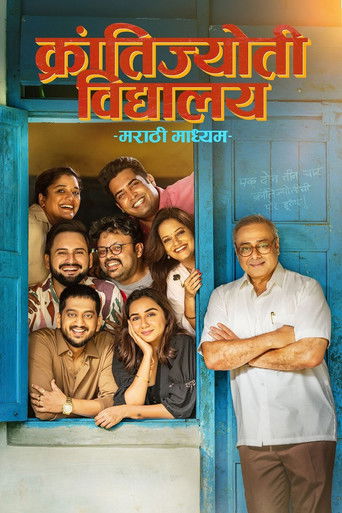 HD★ 10.0Krantijyoti Vidyalay Marathi Madhyam (2026)
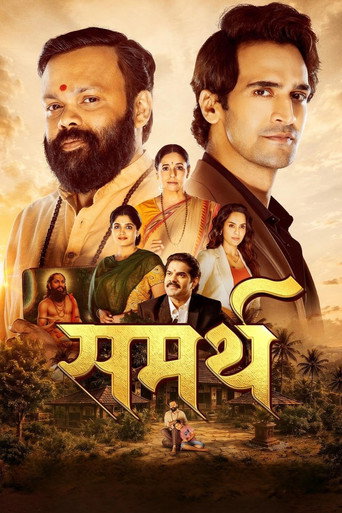 HD★ 9.0Sammarth (2026)
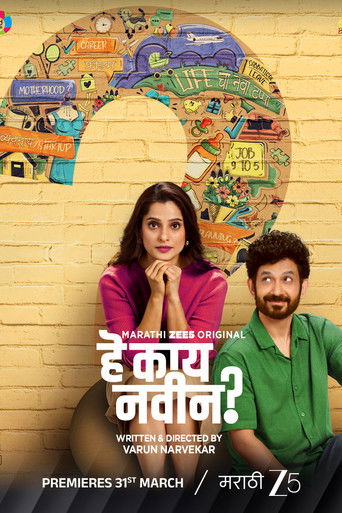 Web series★ 7.0Hey Kay Navin? (2026)
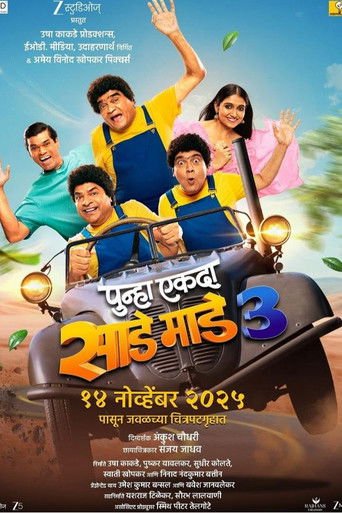 HD★ 7.0Punha Ekda Sade Made 3 (2026)
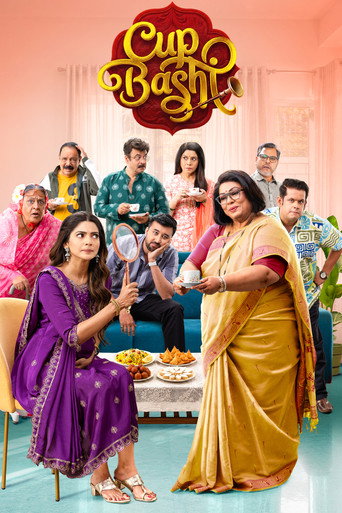 HD★ 8.0Cup Bashi (2026)
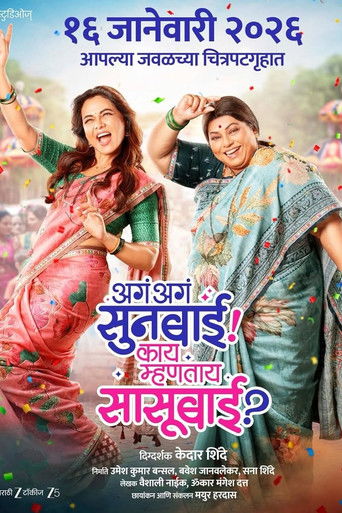 HD★ 7.0Aga Aga Sunbai Kay Mhantay Sasubai (2026)
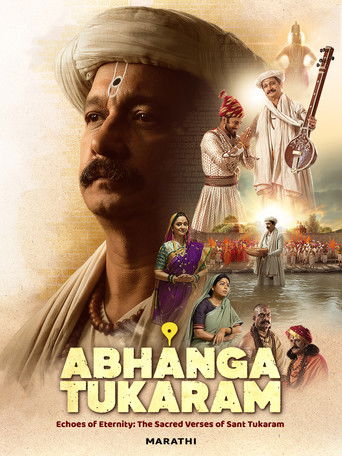 HD★ 10.0Abhanga Tukaram (2025)
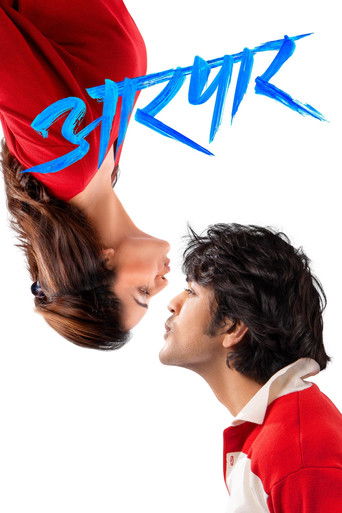 HD★ 2.0Aarpar (2025)
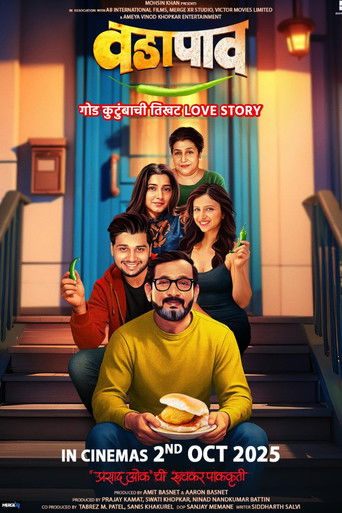 HD★ 7.0Vadapav (2025)
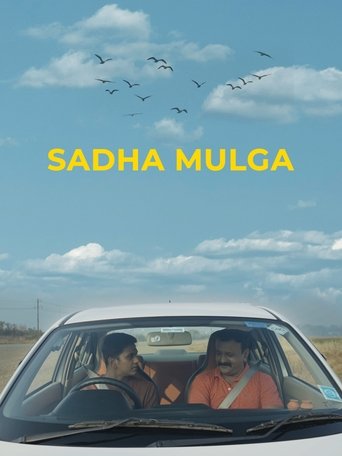 HD★ 10.0Simple Boy (2025)
 HD★ 8.0Mangya (2025)
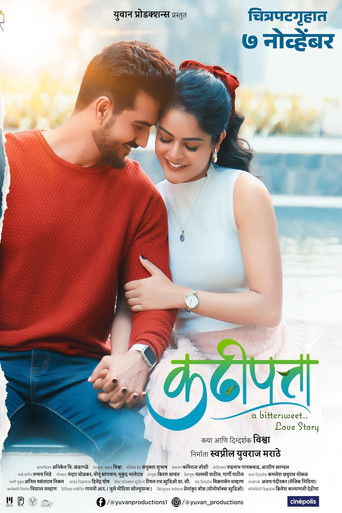 HD★ 8.0Kadhipatta (2025)
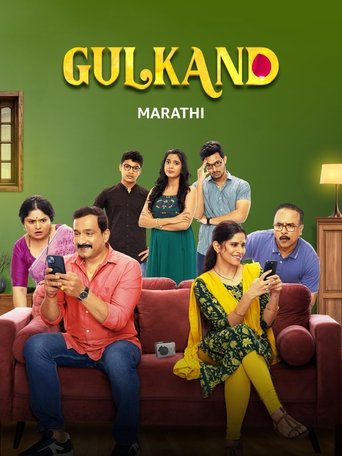 HD★ 6.0Gulkand (2025)
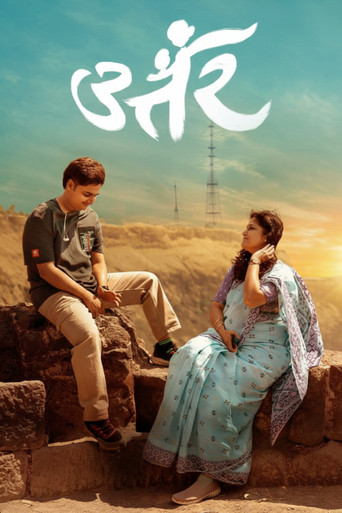 HD★ 6.0Uttar (2025)
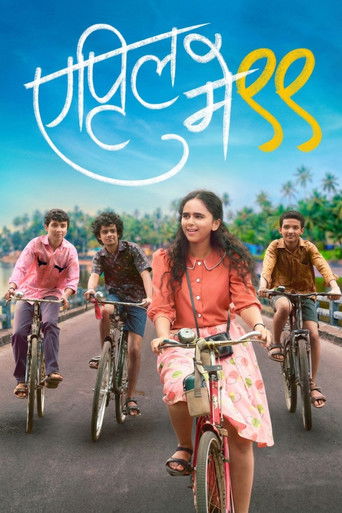 HD★ 7.5April May '99 (2025)
 HD★ 3.0A Match (2025)
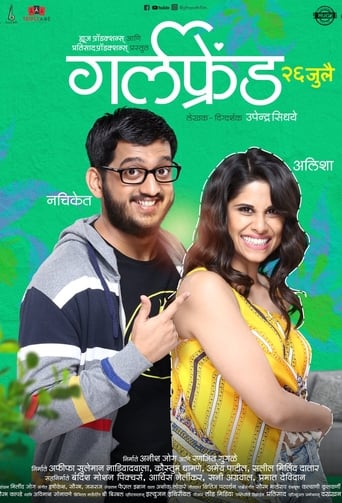 HD★ 7.0Girlfriend (2019)
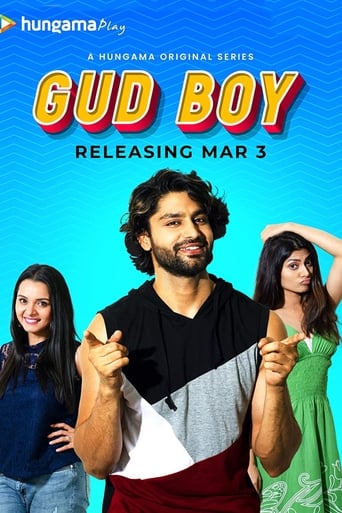 Web series★ 1.0Gud Boy (2021)
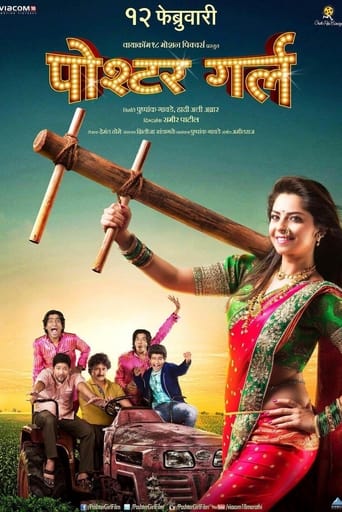 HD★ 6.7Poshter Girl (2016)
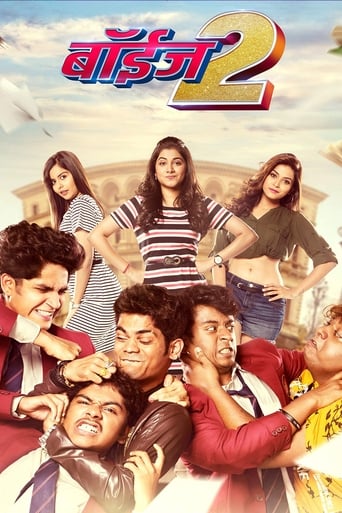 HD★ 5.0Boyz 2 (2018)
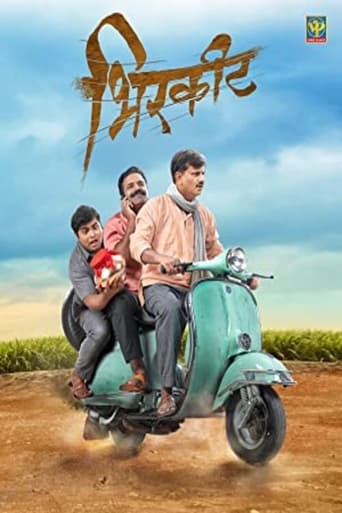 HD★ 2.0Birkhit (2022)
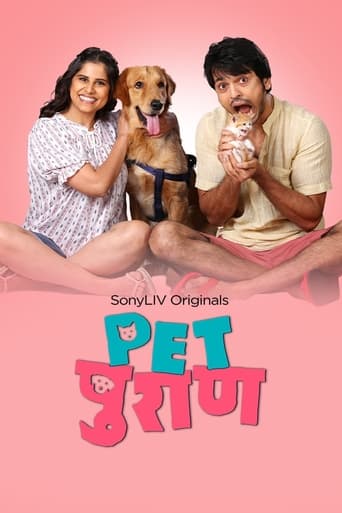 Web series★ 7.0Pet Puraan (2022)
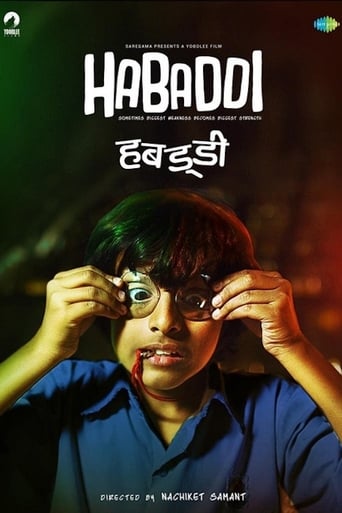 HD★ 4.7Habaddi (2019)
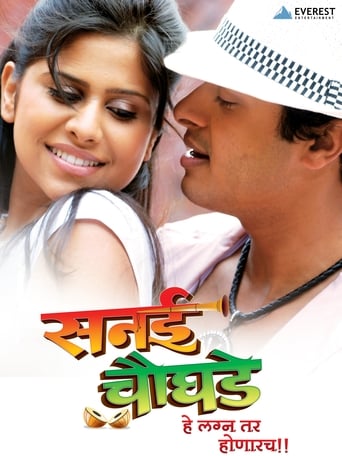 HD★ 6.0Sanai Choughade (2008)
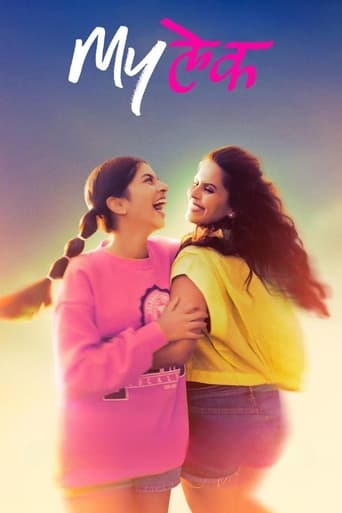 HD★ 4.0MyLek (2024)
 HD★ 2.0Date Bhet (2023)
 HD★ 8.6De Dhakka (2008)
 HD★ 3.0Kanni (2024)
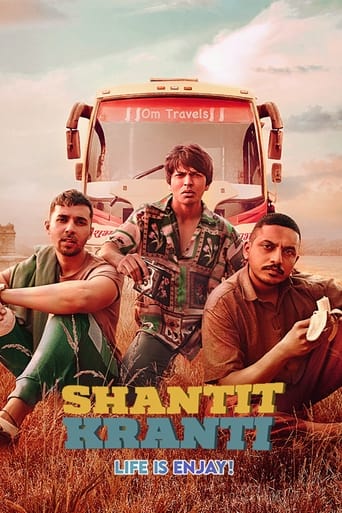 Web series★ 6.5Shantit Kranti (2021)
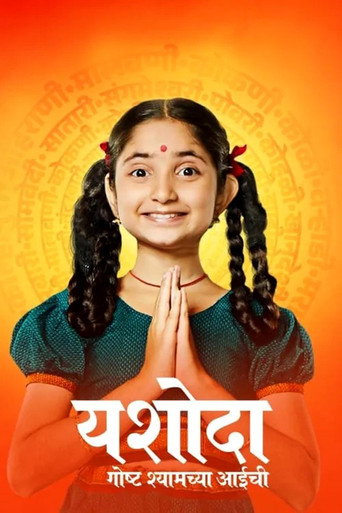 Web series★ 10.0Yashoda - Goshta Shyamchya Aaichi (2023)
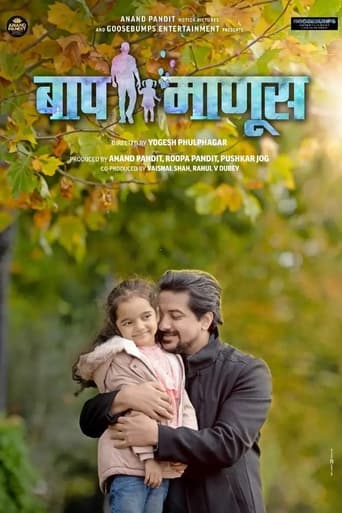 HD★ 3.0Baap Manus (2023)
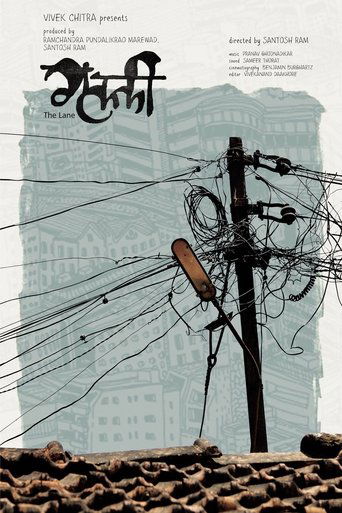 HD★ 9.7The Lane (2015)
 HD★ 5.0Highway (2015)
 HD★ 5.0Medium Spicy (2022)
 HD★ 10.0Question (2020)
 HD★ 6.0A Dot Com Mom (2016)
 HD★ 7.0Godavari (2021)
 HD★ 6.5Mumbai Pune Mumbai 3 (2018)
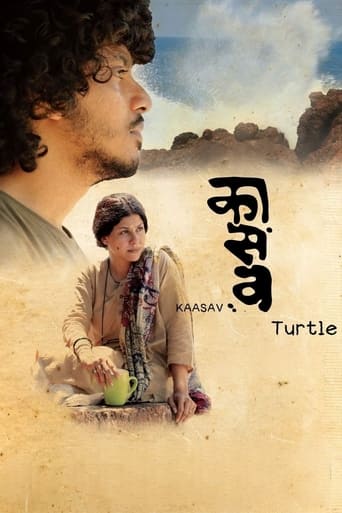 HD★ 7.0Kaasav: Turtle (2016)
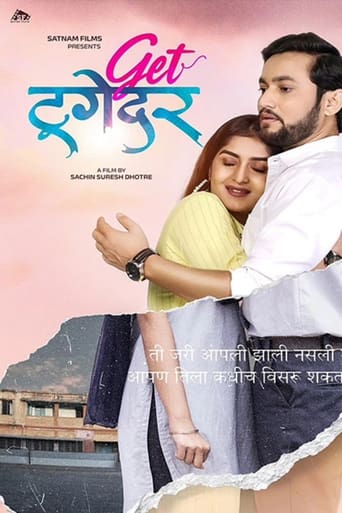 HD★ 4.0Get Together (2023)
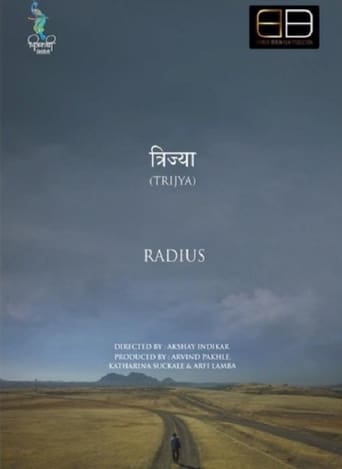 HD★ 7.0Trijya - Radius (2019)
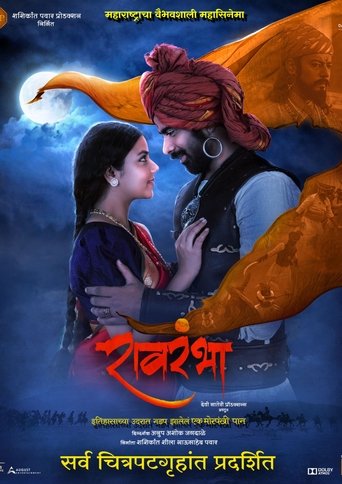 HD★ 5.5Ravrambha (2023)
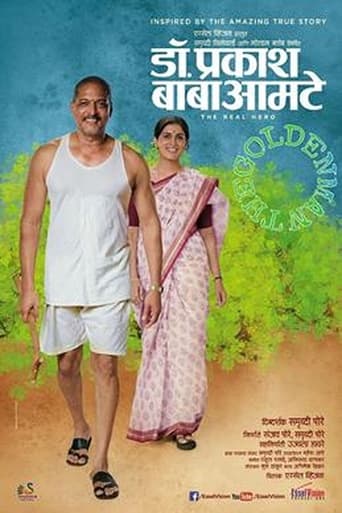 HD★ 7.8Dr. Prakash Baba Amte: The Real Hero (2014)
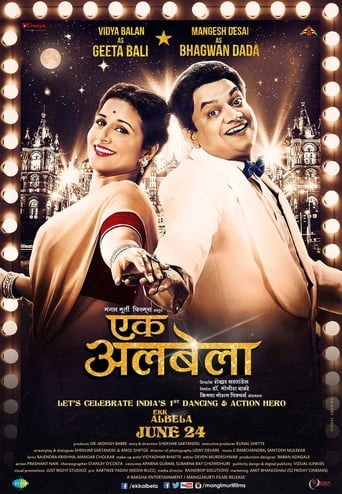 HD★ 8.0Ekk Albela (2016)
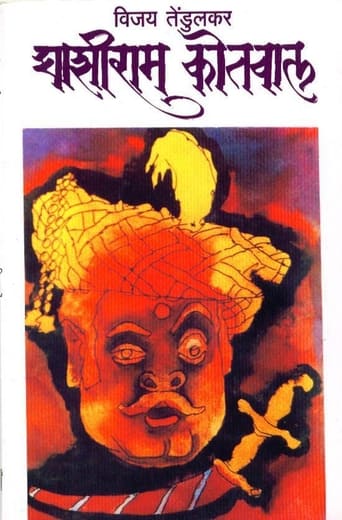 HD★ 6.8Ghashiram Kotwal (1976)
 HD★ 4.0Ina Mina Dika (1989)
 HD★ 10.0Prapancha (1961)
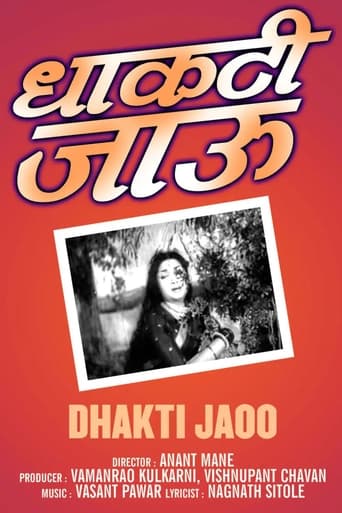 HD★ 7.0Dhakti Jaoo (1958)
 HD★ 9.2Silence! The Court Is in Session (1971)
 HD★ 9.0Sangate Aika (1959)
 HD★ 7.0Sinhasan (1979)
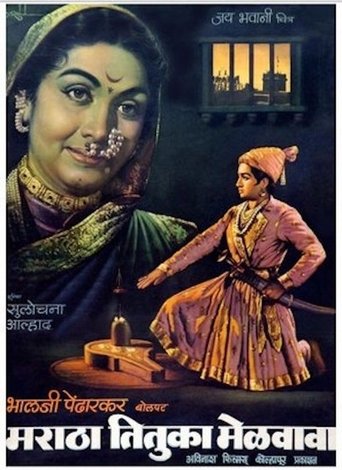 HD★ 8.0Maratha Tituka Melavava (1964)
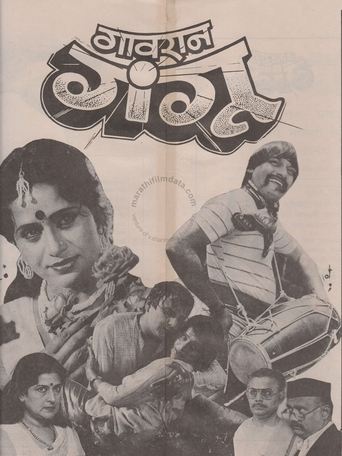 HD★ 4.0Gaavran Gangu (1989)
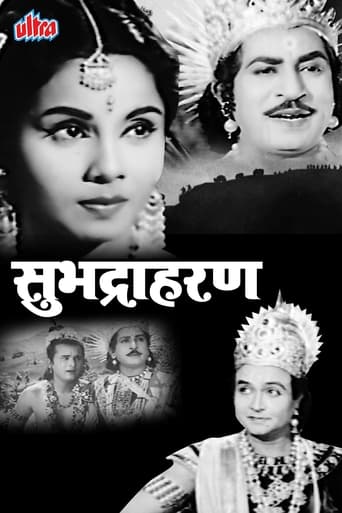 HD★ 7.0Subhadra Haran (1963)
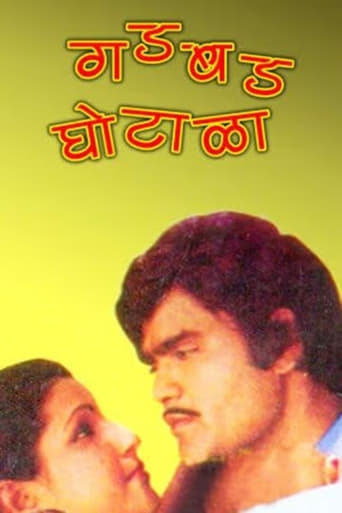 HD★ 7.0Gadbad Ghotala (1986)
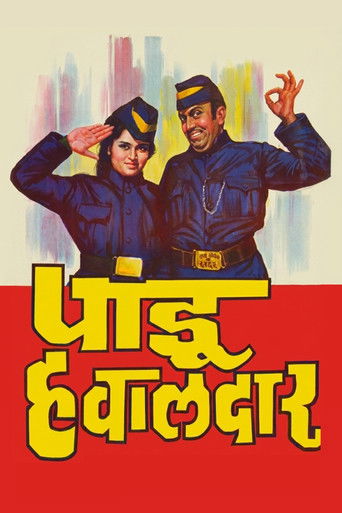 HD★ 6.0Pandu Hawaldar (1975)
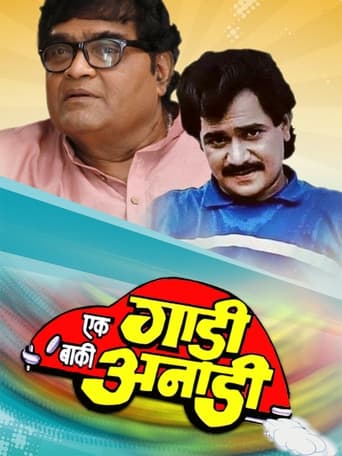 HD★ 10.0Ek Gadi Baaki Anadi (1988)
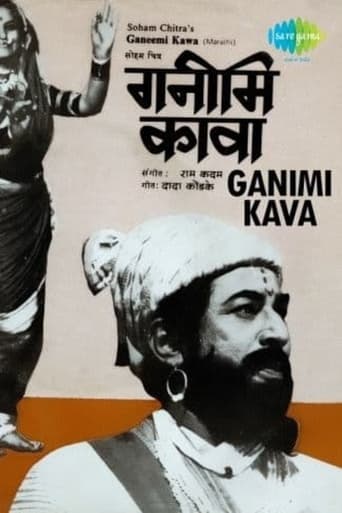 HD★ 7.5Ganimi Kawa (1981)
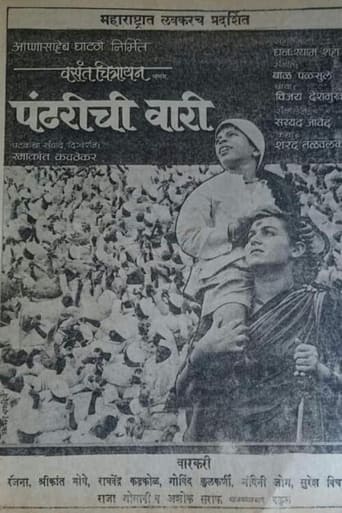 HD★ 7.5Pandharichi Vari (1988)
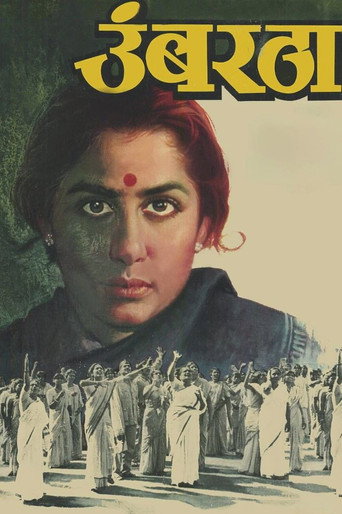 HD★ 6.9Umbartha (1982)
 Web series★ 10.0Chithi (2021)
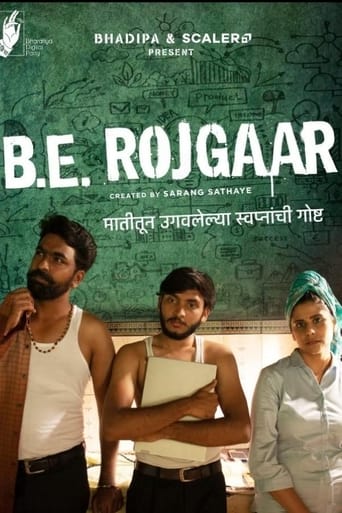 Web series★ 9.0B.E. Rojgaar (2022)
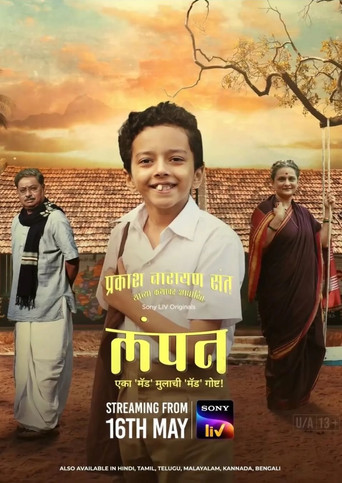 Web series★ 10.0Lampan (2024)